


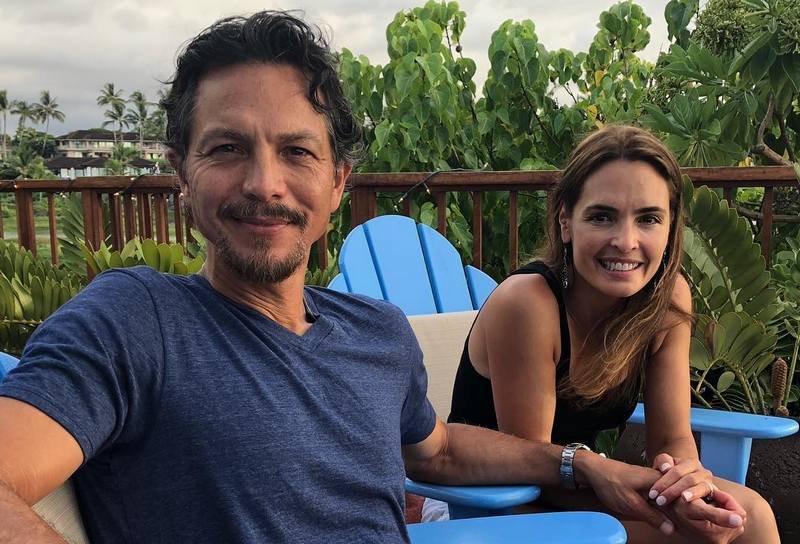
Most people who search for Benjamin Bratt’s background eventually come across the name Eldy Banda. She is his mother a Peruvian-born nurse and Indigenous activist whose life quietly laid the foundation for two creative, socially conscious sons.
Eldy rarely makes headlines herself. She has no notable social media presence and no major standalone interviews in the mainstream press. But her story matters. It explains where Benjamin Bratt comes from, why he gravitates toward certain roles and projects, and how a mother’s cultural pride can shape a child’s entire worldview.
This article covers who Eldy Banda is, where she came from, what she did professionally and politically, and how she influenced her children based on what sources actually confirm, with honest caveats where information is limited.
Who Eldy Banda Is
Eldy Banda is a Peruvian-born woman of Quechua Indigenous heritage. She worked primarily as a nurse and is also consistently described in biographical profiles as a community activist, particularly in Native American and Indigenous causes.
She is the mother of actor Benjamin Bratt and filmmaker Peter Bratt Jr., among five children total. Beyond that family connection, she has a modest public footprint. Most of what is known about her surfaces through profiles written about her sons, celebrity genealogy pages, and a handful of mainstream celebrity features.
She is not a celebrity in her own right. But she is a real person with her own professional history and political commitments not simply a footnote in someone else’s biography.
Her Origins in Peru and Move to San Francisco
Eldy Banda is widely reported to have been born in Lima, Peru, around 1940. That birth year and city appear across multiple biographical sources, though most of those sources are secondary blogs or user-generated genealogy pages rather than verified archival records. The detail should be understood as widely reported, not definitively documented.
What is more firmly supported including by AARP, a mainstream publication is that she is of Quechua ethnicity. The Quechua are an Indigenous people of the Andean region of South America, with a long history predating Spanish colonization.
According to AARP’s profile of Benjamin Bratt’s heritage, his mother was born in Peru of Quechuan ethnicity and moved to San Francisco as a teenager. That migration detail is one of the clearest confirmed facts about her early life.
She eventually married Peter Bratt Sr., described in Benjamin Bratt’s biographical profiles as a sheet metal worker of German and English ancestry. Together, they had five children. Benjamin, the actor, was the third of those five.
San Francisco, where Eldy settled, was a particularly significant city for an Indigenous activist in the 1960s and 1970s. It sat at the center of the American civil rights movement, and its Bay Area became a focal point for Native American political organizing during that era.
Her Work as a Nurse and Political Activist
Multiple sources consistently describe Eldy Banda in two ways: as a nurse and as a community activist. These are the two professional identities most reliably attached to her name across sources ranging from AARP to celebrity biography sites.
Nursing was her primary career. It is a profession centered on direct care showing up for people in vulnerable moments. That orientation toward service seems to have extended beyond the hospital or clinic and into her political life as well.
AARP describes her specifically as a “Native American activist,” and Bored Panda calls her a “Peruvian Quechua nurse and activist.” Both framings point in the same direction: a woman who combined a caregiving profession with active involvement in Indigenous rights causes.
Her activism appears to have been rooted in the Bay Area’s Native American community during the 1960s and 1970s. Some biographical profiles including one on BuzzSplatter report that she participated in the 1969 Occupation of Alcatraz, a landmark protest in which Native American activists occupied the former federal prison on Alcatraz Island in San Francisco Bay.
That occupation was a major moment in the American Indian Movement and drew national attention. The timeline fits Eldy’s life in San Francisco, and the claim appears in at least one detailed profile of her. However, this detail is not confirmed by mainstream journalistic sources, so it should be understood as reported rather than established fact.
What is clear is that she raised her children in an environment shaped by Indigenous culture, social justice values, and political awareness. That context is well-supported across multiple sources.
How She Influenced Benjamin and Peter Bratt
Benjamin Bratt has spoken publicly about his Indigenous and Latino heritage throughout his career. He traces that heritage directly through his mother’s Quechua background and her activism in San Francisco.
Bored Panda, drawing on Bratt’s own public statements and biographical record, notes that Eldy raised her five children while actively immersing them in Native American culture and the causes she cared about. That kind of upbringing rooted in a specific cultural identity and a sense of social responsibility tends to leave a mark.
For Benjamin, it appears to have shaped the kinds of stories he wanted to be part of. His career includes films and television projects centered on Latino, Indigenous, and marginalized communities. He appeared in Blood In Blood Out (1993), a film about Chicano identity and loyalty. He has been a visible advocate for Latino and Indigenous representation in Hollywood.
His brother Peter Bratt Jr. took a similar path as a filmmaker. Peter directed Follow Me Home (1996), an independent film exploring the experiences of four men of color on a cross-country journey. Benjamin appeared in that film as well. Peter also directed La Mission (2009) and was involved in the documentary The Last Conquistador (2008), which examines Indigenous communities and a controversial public sculpture project in New Mexico.
Both men gravitated toward stories about identity, heritage, and communities that are often overlooked. That shared direction in their careers is not a coincidence. It reflects what their mother made central to their upbringing.
At Businesskaar, we often look at how a person’s background shapes their professional choices and Eldy Banda’s story is a clear example of that connection.
What Is and Is Not Confirmed About Her Life
Because Eldy Banda is not a public figure herself, the information available about her is limited and comes from sources of varying reliability. It is worth being straightforward about that.
What is well-supported:
- She is Peruvian-born and of Quechua Indigenous heritage.
- She moved to San Francisco as a teenager.
- She worked as a nurse and was involved in Native American and Indigenous activism.
- She is the mother of Benjamin Bratt and Peter Bratt Jr., among five children.
- Her cultural values and activist background had a documented influence on her sons’ identities and careers.
What is reported but not fully verified:
- Her specific birth date (March 22, 1940) and Lima birthplace appear in secondary and user-generated sources, not major verified records.
- Her reported participation in the 1969 Occupation of Alcatraz is mentioned in at least one biographical profile but is not confirmed by mainstream journalism.
- Claims about personal awards attributed to her specifically as opposed to the projects her sons worked on are not clearly supported by primary sources.
She is also reported to be retired and living with family in the San Francisco area, though that detail also comes from secondary sources. There is no public information about her personal finances, and no credible net worth figure should be taken at face value from celebrity biography sites.
Why Her Story Still Matters
Eldy Banda is not famous. She did not seek public attention, and by most accounts she has lived a largely private life.
But her story is a useful reminder that the backgrounds of well-known people do not emerge from nowhere. Benjamin Bratt’s commitment to Indigenous and Latino representation in Hollywood, and Peter Bratt’s filmmaking focus on identity and community these did not develop in a vacuum. They grew out of a household where a Peruvian Quechua woman worked as a nurse by day and fought for Indigenous rights in the broader community.
Eldy Banda raised her children with an awareness of where they came from and why it mattered. In that sense, her influence extends well beyond her family into the films, roles, and public conversations her sons have been part of for decades.
For anyone researching Benjamin Bratt’s heritage or looking for context around his career choices, Eldy Banda is the right place to start. She is the cultural and moral anchor of the family story quietly significant, and worth understanding on her own terms.
Also Read:
